Fast functional prototyping
A conversational workflow can generate an initial application, data structure and interface quickly enough to test a real business process before commissioning a larger custom build.
A risk-aware guide to using Base44 for CRM systems, dashboards, product-management tools and team workflows, with emphasis on permissions, integrations and customer data.
Read4Max may earn a commission when you use this partner link.
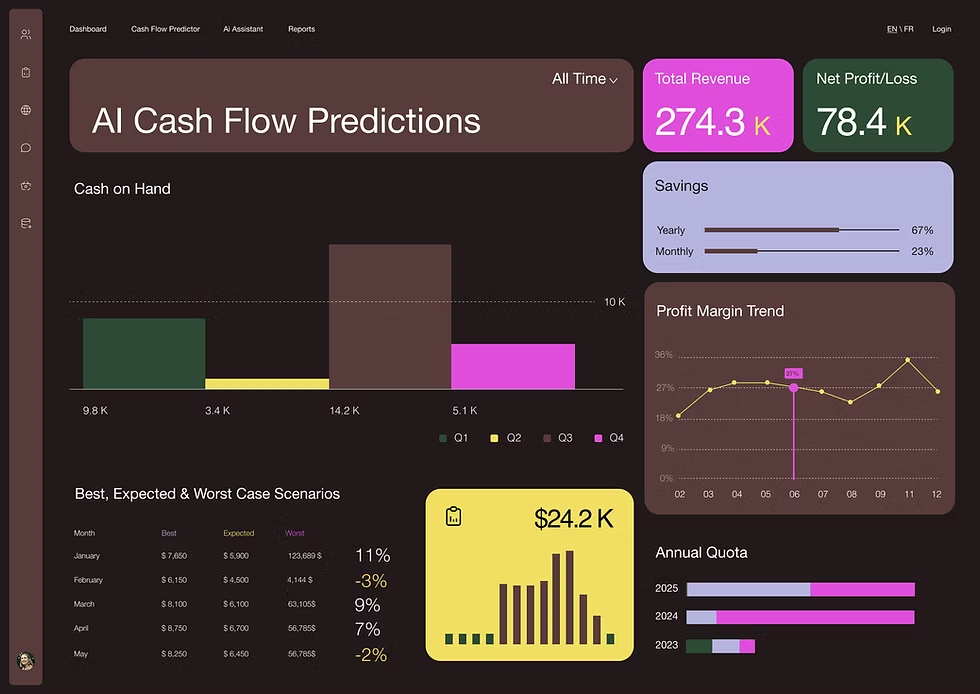
Internal tools often become business-critical and may contain customer, employee, sales or operational information. A fast AI-generated CRM is useful only when roles, row-level access, field-level restrictions, audit needs, imports, exports, integrations and recovery procedures are verified. App owners remain responsible for lawful collection and use of personal data, notices, retention, access requests and third-party processors. Protected health information, payment-card data and other specially regulated data should not be uploaded without the required written arrangements and compliance controls.
A conversational workflow can generate an initial application, data structure and interface quickly enough to test a real business process before commissioning a larger custom build.
Authentication, data storage, backend functions, hosting and selected integrations can reduce setup work for a small team, provided the generated configuration is reviewed and tested.
Qualifying plans describe code or application-data export options, which can reduce lock-in risk when the team verifies the exact format and dependencies before relying on them.
Workspaces and ownership transfer can support founders, agencies and internal teams, but roles, billing responsibility and final application ownership should be documented explicitly.
Use synthetic information to test the complete path from data entry to permissions, automation, reporting, export and recovery without exposing real customer or employee records.
Create multiple user roles, inspect row-level and field-level rules, test public routes and failed authorization attempts, and review all generated security-sensitive code.
Estimate plan fees, message credits, integration credits, team activity, domains and external services under realistic use rather than relying on the cheapest headline tier.
No. Generated applications require product, code, security, data, accessibility, performance and legal review before real-world use.
Official terms describe customer ownership as between the parties to the extent rights exist, while also containing important licenses and third-party-rights limitations that must be reviewed.
No. Sensitive or regulated data requires the correct contractual arrangement, security controls, lawful basis and qualified compliance review.
No. Confirm the current official pricing page, checkout, included credits, renewal and cancellation rules immediately before purchase.
A risk-aware guide to using Base44 for CRM systems, dashboards, product-management tools and team workflows, with emphasis on permissions, integrations and customer data.
Each recommendation shows why it belongs here.
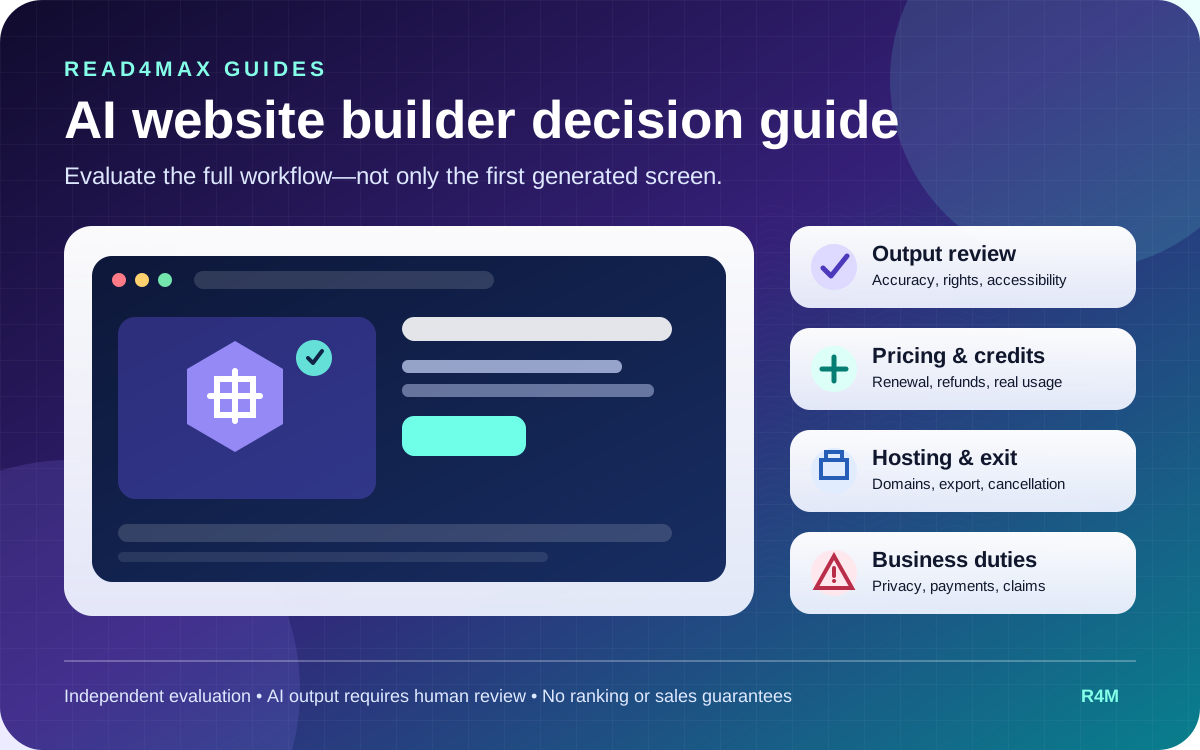
An independent buyer-focused guide to adding scheduling and inquiry workflows while checking availability rules, notifications, integrations, customer…
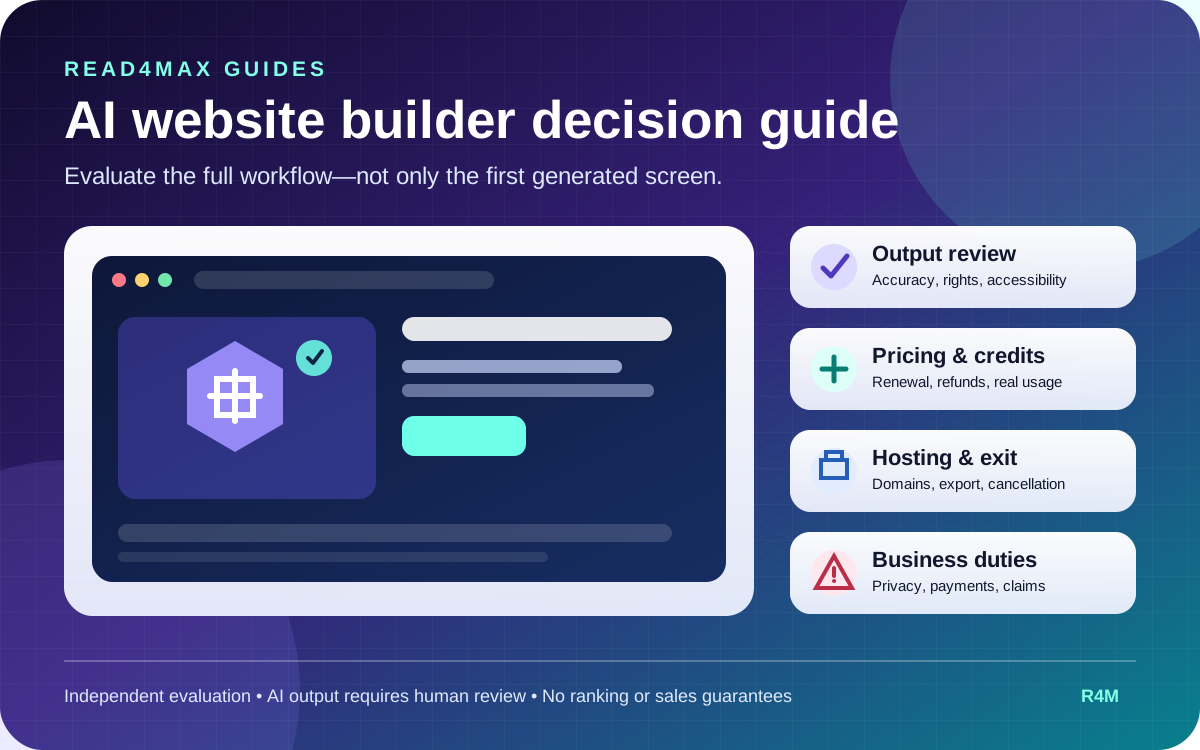
An independent buyer-focused guide to understanding hosted publishing, Wegic subdomains, custom-domain eligibility, code export, SSL, backup and what…
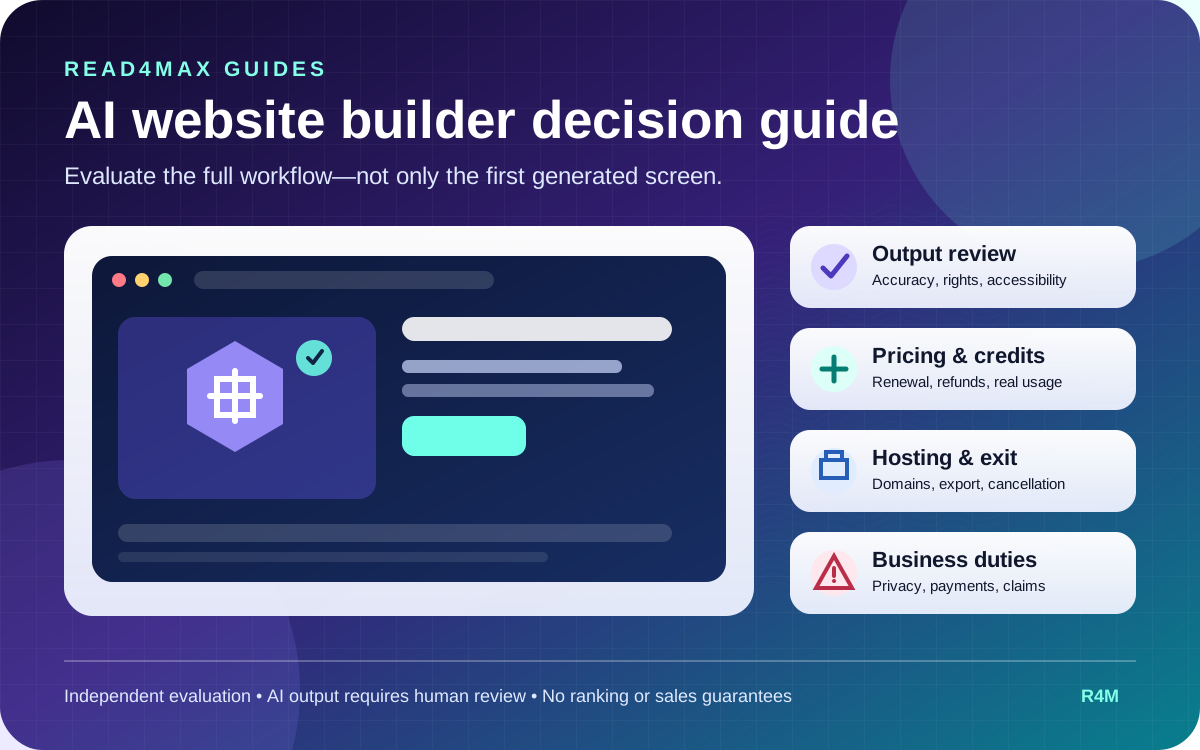
An independent buyer-focused guide to building product pages and an online-store experience while verifying payment providers, taxes, fulfillment,…