Education-specific workflow
Evaluate teacher-designed spaces, student access and educator visibility rather than a generic chatbot alone.
The AI Implementation Handbook offer is aimed at districts planning pilots, governance, professional learning, technical rollout and evaluation. Treat the handbook as a planning resource, not a complete policy, legal opinion or procurement decision. Map recommendations to local laws, board policies, accessibility requirements, records schedules, cybersecurity standards and curriculum approval processes. Build a cross
Read4Max may earn a commission when you use this partner link.

SchoolAI is an education-focused artificial intelligence platform and implementation partner, but no AI product, handbook, readiness program or policy consultation can replace district authorization, teacher judgment, student-support procedures, legal review, procurement review or local policy. Before using any classroom AI tool, confirm who is authorized to create accounts, what student data may be processed, which age groups are eligible, what parent or guardian notices or consent are required, what records must be retained, and which district systems may be connected. SchoolAI publishes privacy, trust and compliance materials and describes educator visibility and controls, yet each school or district remains responsible for deciding whether the service fits its laws, contracts, policies and risk tolerance. Use the smallest necessary data set, avoid uploading sensitive student records unless the organization has approved the workflow, and define deletion, export, access and incident-response procedures. Teacher-designed Spaces and student-facing AI can still produce inaccurate, biased, inaccessible, inappropriate or overconfident output. Educators should review prompts, instructions, outputs and student use, and should provide an alternative path for learners who cannot or should not use the tool. Safety or wellbeing alerts must support established staff procedures; they are not guaranteed crisis detection, emergency response or professional assessment. Students should not use AI to evade academic-integrity rules or submit unverified work as their own. Pricing, plan limits, features, integrations, trial conditions, support, training, offer availability and eligibility can change. Confirm current terms directly before procurement or participation. Compliance badges and contractual claims are important evidence, not a guarantee that every district configuration automatically complies with FERPA, COPPA, state law, accessibility duties or local policy. No learning outcome, adoption rate, time saving, funding result, safety outcome, legal compliance or implementation success is guaranteed. The AI Implementation Handbook offer is aimed at districts planning pilots, governance, professional learning, technical rollout and evaluation. Treat the handbook as a planning resource, not a complete policy, legal opinion or procurement decision. Map recommendations to local laws, board policies, accessibility requirements, records schedules, cybersecurity standards and curriculum approval processes. Build a cross-functional team that includes teaching, special education, privacy, security, legal, procurement, family engagement and student-support perspectives. Define the instructional problems the district is trying to solve and the uses it will not permit. Pilot with a small group, documented success criteria and a stop condition. Record which data flows to vendors, subprocessors or model providers, how long data is retained, who can access it, and how deletion or export works. Require training on prompt design, source checking, academic integrity, bias, accessibility and incident reporting. Evaluate outcomes with evidence rather than testimonials. Confirm whether the handbook is still free, what information the form requests, whether marketing consent is optional, and whether downloading the resource creates follow-up commitments.
Evaluate teacher-designed spaces, student access and educator visibility rather than a generic chatbot alone.
Use implementation and policy resources to organize privacy, safety, procurement and instructional decisions.
Start with one low-risk use case, defined success criteria and a documented stop condition.
Keep teachers and district staff responsible for prompts, outputs, alerts and consequential decisions.
Use minimal data, publish clear classroom rules and require students to verify outputs.
Map data flows, roles, training, accessibility, support and evaluation before scaling.
Compare current district policies with proposed AI uses and obtain independent legal review where needed.
No. The company publishes compliance and privacy materials, but each district must evaluate its own configuration, contracts, notices, consent, records and legal duties.
No. Teachers should set activity boundaries, monitor use and verify outputs, sources, accessibility and academic-integrity expectations.
No. Alerts may support educator awareness, but they are not guaranteed crisis detection, professional assessment or emergency response.
Current official pages describe no-cost offers, but availability, eligibility, scope and conditions can change and should be confirmed at submission.
The AI Implementation Handbook offer is aimed at districts planning pilots, governance, professional learning, technical rollout and evaluation. Treat the handbook as a planning resource, not a complete policy, legal opinion or procurement decision. Map recommendations to local laws, board policies, accessibility requirements, records schedules, cybersecurity standards and curriculum approval processes. Build a cross
Each recommendation shows why it belongs here.
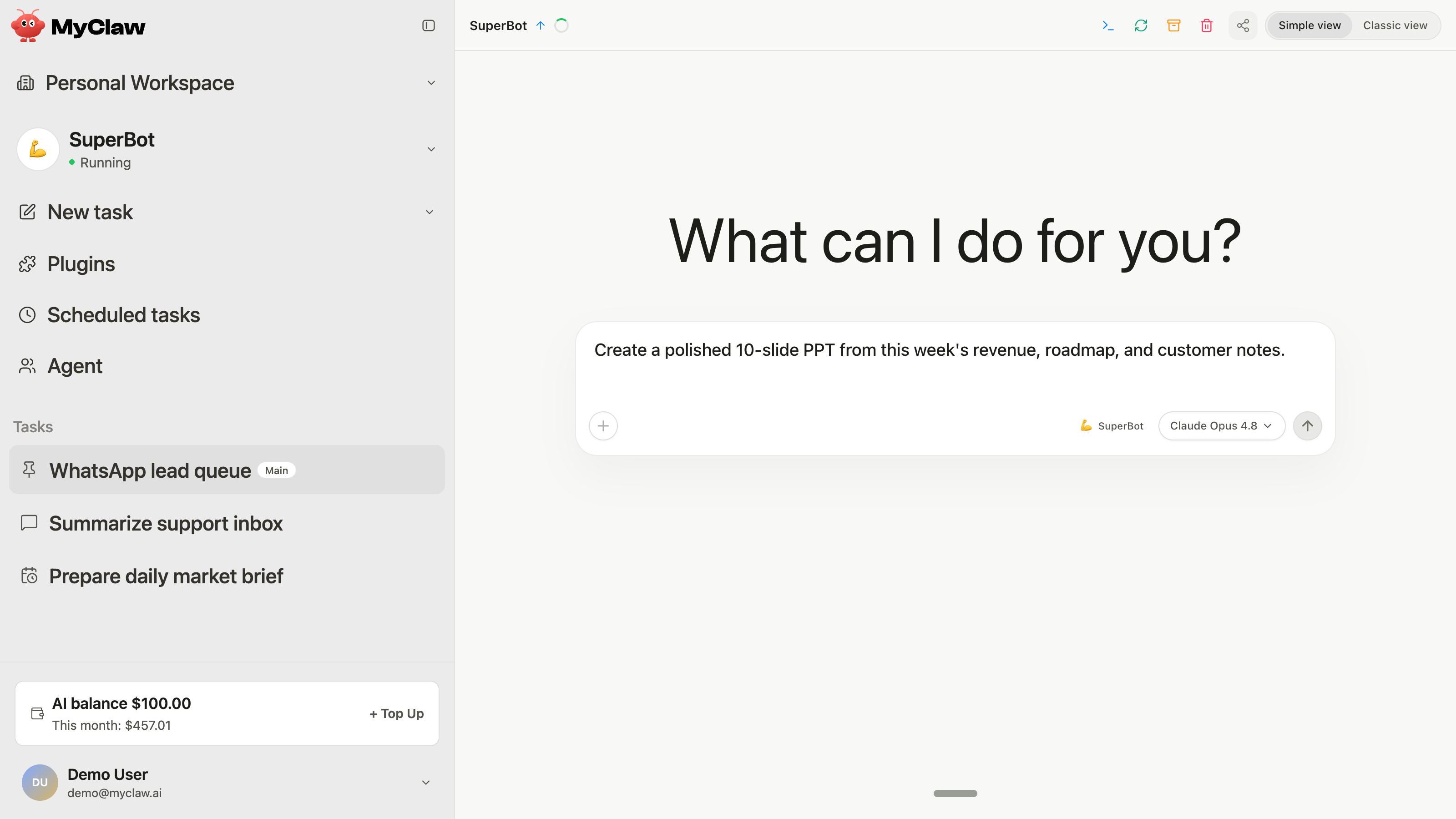
This independent guide is for readers comparing managed agent hosting with self-hosting or a conventional chat assistant. MyClaw's current official…
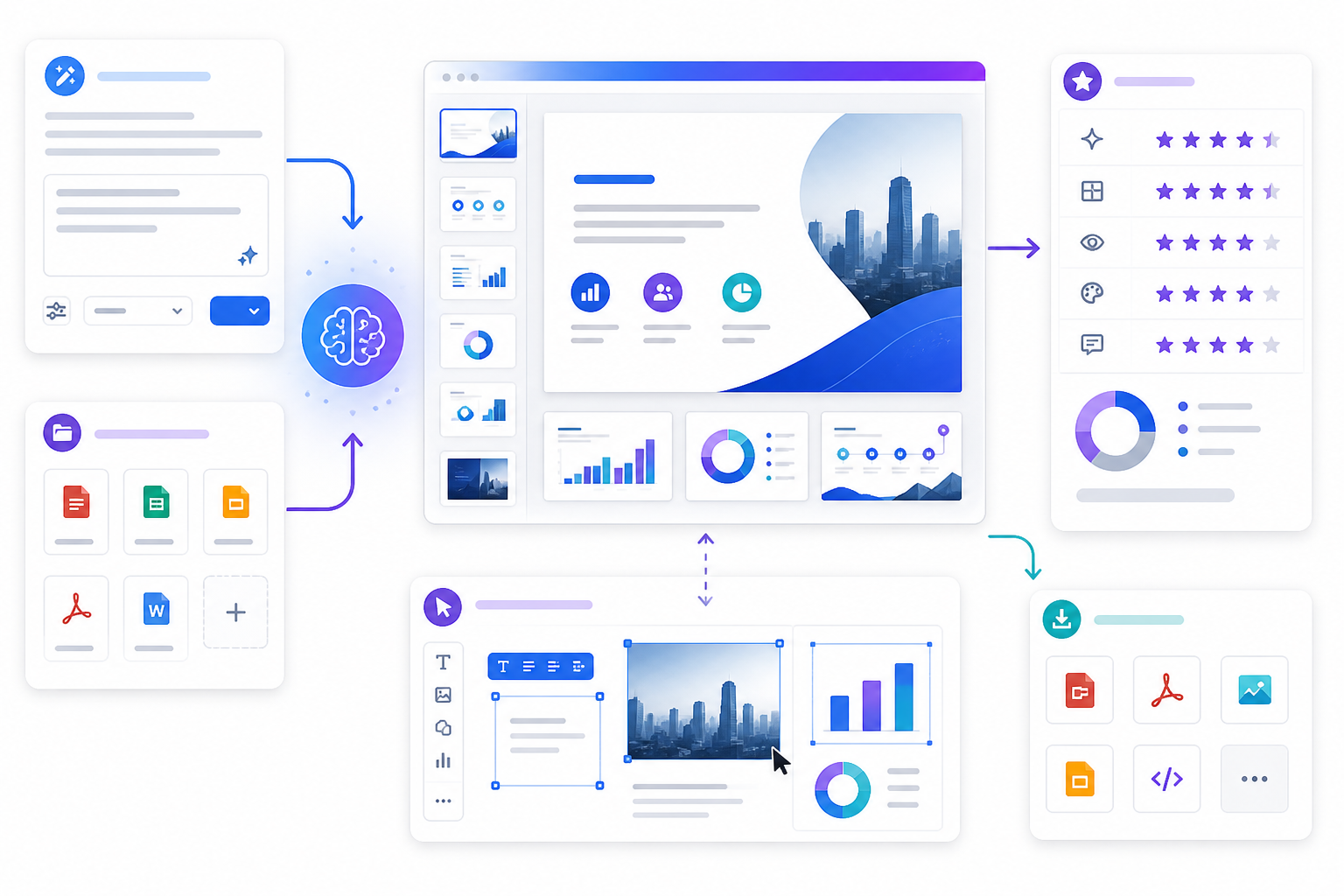
PopAi's official presentation workflow starts with a topic or source file, proposes an outline, applies a visual direction, creates editable slides and…

Evaluate Skywork as an AI workspace for research, documents, slides, sheets and other deliverables, with current checks for credits, privacy, connected…