Edit-first control matches the work.
Start with the device, task or plan that fits the work in front of you—then move directly to the official CapCut tool.
Start with the device, task or plan that fits the work in front of you—then move directly to the official CapCut tool.
Features, limits and checkout terms can vary by platform and region.
Start with the device, task or plan that fits the work in front of you—then move directly to the official CapCut tool.
Start with the device, task or plan that fits the work in front of you—then move directly to the official CapCut tool.
Begin with a prompt, image, product link, script or existing Invideo project, then open the focused workflow built for that job.
Compare Invideo AI →Each route focuses on a distinct product surface, plan decision or repeatable task.
Choose a platform, a specific task or a plan question.
See the workflow, use cases and practical checks for that tool.
Confirm current availability and start on the official page.
Edit, caption, resize and publish from a familiar timeline.
Generate video, images, voices or avatars before final editing.
Compare collaboration, storage, credits and plan structure.
CapCut combines desktop, web, mobile and tablet editors with a growing set of AI tools and subscription options. The best entry point depends on the device and task.
Begin with a platform when you need a complete editor. Begin with a focused tool when the job is specific, such as captions, translation, upscaling or background removal.
Not always. Availability, limits and purchase paths can differ across web, desktop, mobile and tablet versions.
Use the official CapCut subscription or checkout screen because pricing can vary by region, platform, taxes and promotions.
Use CapCut Desktop when a project needs layered tracks, precise timing, keyframes, color work and AI tools in one workspace.
CapCut Online is the fast entry point for uploads, templates, captions, background tools and social-ready exports from a web workspace.
Use CapCut Mobile for fast vertical edits, templates, effects and creator workflows that begin and end on iOS or Android.
Compare the intended use, premium assets, cross-platform access, AI tools, storage and collaboration before opening checkout.
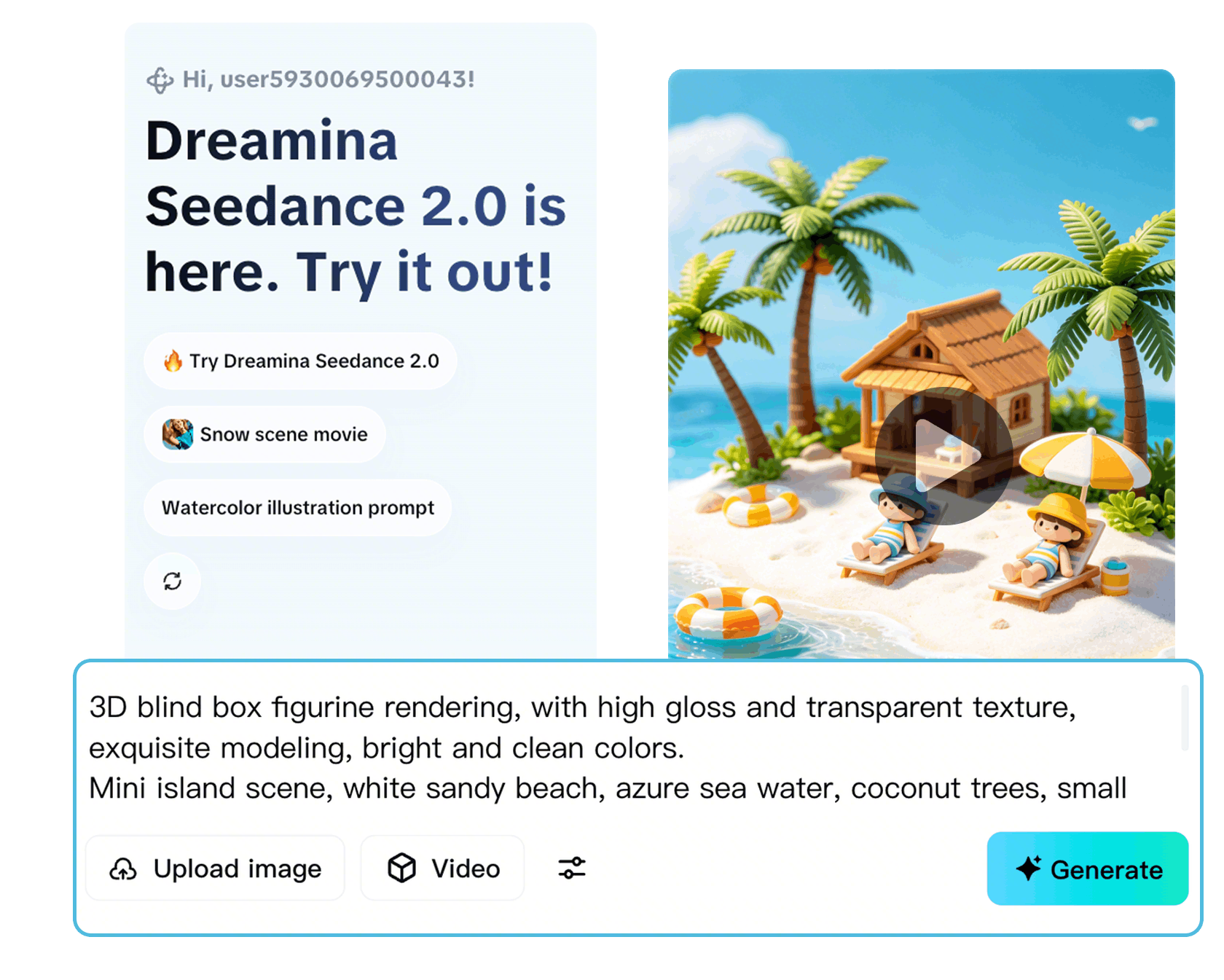
CapCut combines text-to-video, image animation, model choice and editing tools so a generated clip can move directly into a finished timeline.
Generate subtitles, correct the words and timing, then style them for Shorts, Reels, tutorials, interviews or longer videos.
Compare edit-first and prompt-first video workflows.
Browse the wider task-first catalog.
No page is hidden in the sitemap alone.
Start with the device, task or plan that fits the work in front of you—then move directly to the official CapCut tool.
Open guide →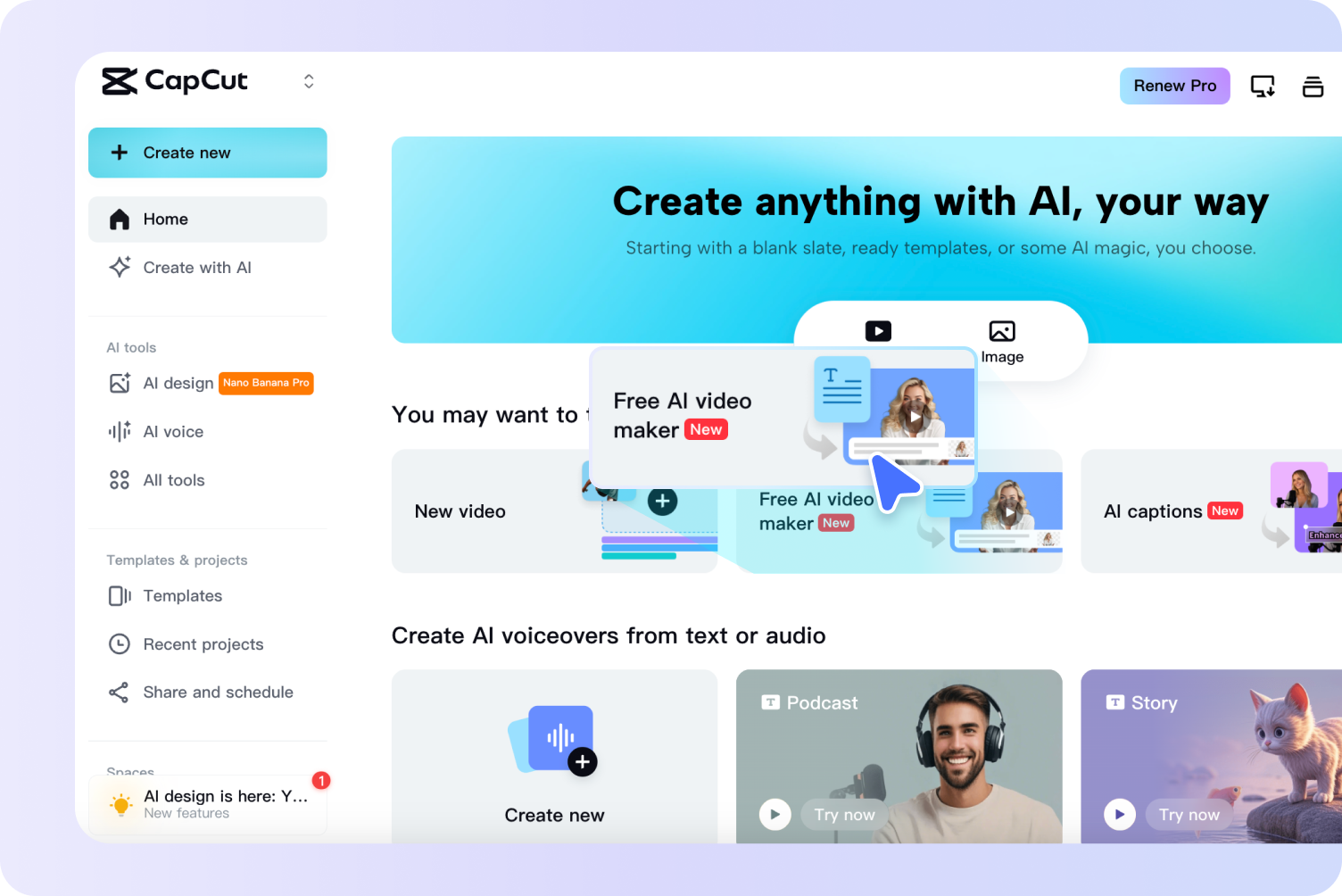
Use CapCut Desktop when a project needs layered tracks, precise timing, keyframes, color work and AI tools in one workspace.
Open guide →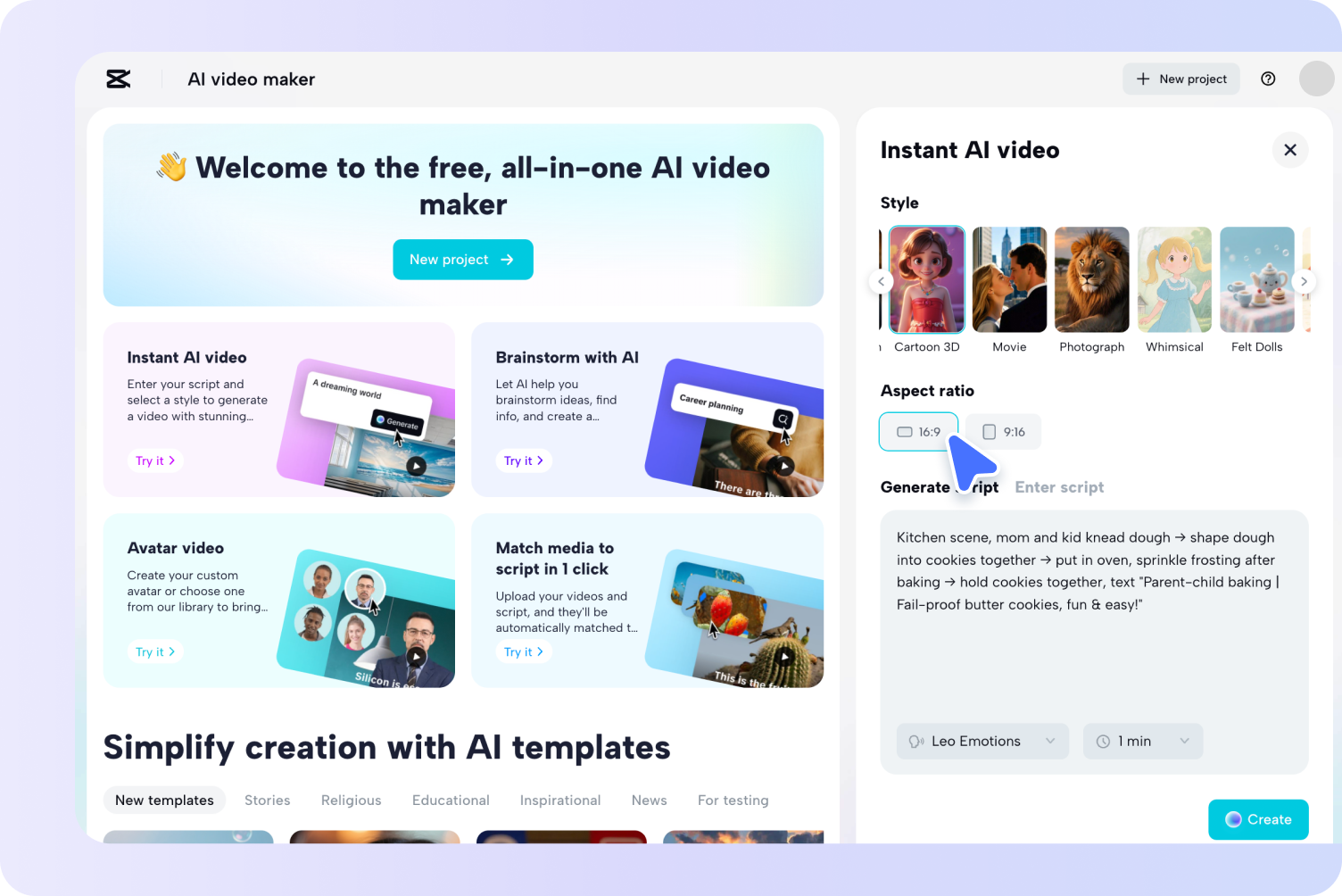
CapCut Online is the fast entry point for uploads, templates, captions, background tools and social-ready exports from a web workspace.
Open guide →Use CapCut Mobile for fast vertical edits, templates, effects and creator workflows that begin and end on iOS or Android.
Open guide →CapCut for Pad brings multi-track editing, keyframes and AI-assisted tools to iPad and supported Android tablets.
Open guide →Compare the intended use, premium assets, cross-platform access, AI tools, storage and collaboration before opening checkout.
Open guide →Pro is the individual upgrade path for creators who need broader AI access, premium assets, cross-platform editing and more capable production workflows.
Open guide →CapCut Teams is designed for agencies, businesses and creator groups that need shared projects, templates, storage and centralized workspace management.
Open guide →Credits are a usage currency for supported AI features. They are separate from time-based Standard, Pro and Teams subscriptions.
Open guide →CapCut combines text-to-video, image animation, model choice and editing tools so a generated clip can move directly into a finished timeline.
Open guide →CapCut's AI editor brings generation, captions, cleanup, reframing and enhancement into a workflow that still leaves the final timing and judgment to the editor.
Open guide →Generate subtitles, correct the words and timing, then style them for Shorts, Reels, tutorials, interviews or longer videos.
Open guide →Use AI-assisted clipping to identify highlights, reframe the subject and prepare several vertical drafts from one longer recording.
Open guide →CapCut combines speech recognition, subtitle translation, dubbing and supported voice-preservation tools for multilingual video workflows.
Open guide →Choose a voice, language and delivery style, then place the generated narration directly into a CapCut timeline with captions and visuals.
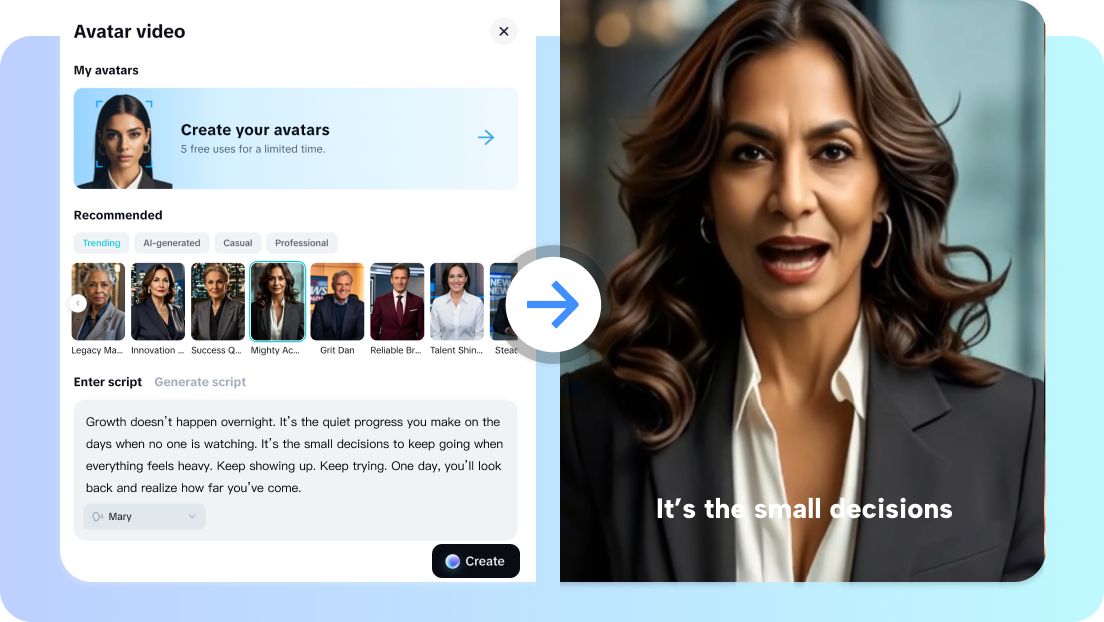
Open guide →CapCut combines avatar selection, script or audio input, voice choices, lip sync and editing for presenter-led videos without a traditional shoot.
Open guide →CapCut's AI video upscaler is designed to sharpen footage, reduce visible softness and prepare older or compressed clips for higher-resolution delivery.
Open guide →CapCut uses automatic subject recognition to isolate people, objects or products, then lets you replace the background with color, imagery or another scene.
Open guide →CapCut's AI image upscaler sharpens edges, reduces visible noise and prepares photos, illustrations or product images for larger layouts.
Open guide →CapCut supports text-to-image and image-guided generation, then keeps the result inside an editor for cropping, enhancement, background work and animation.
Open guide →CapCut AI Design combines prompts, layouts, cutouts, background tools and editable design elements for posters, ads and branded social graphics.
Open guide →CapCut's Script to Video workflow can help generate or accept a script, pair it with visuals, voiceover, subtitles and music, then open the result for editing.
Open guide →CapCut transcription can create a text layer from speech, helping with subtitles, summaries, scripts and content repurposing.
Open guide →Compare the billing and usage model when your decision is between premium editing and repeated AI generation.
Compare the workflow when your real decision is hands-on editing versus prompt-led first-cut automation.